Red flags to watch for when booking an indoor pickleball court in KL
By Sarah · Updated 2026-06-15
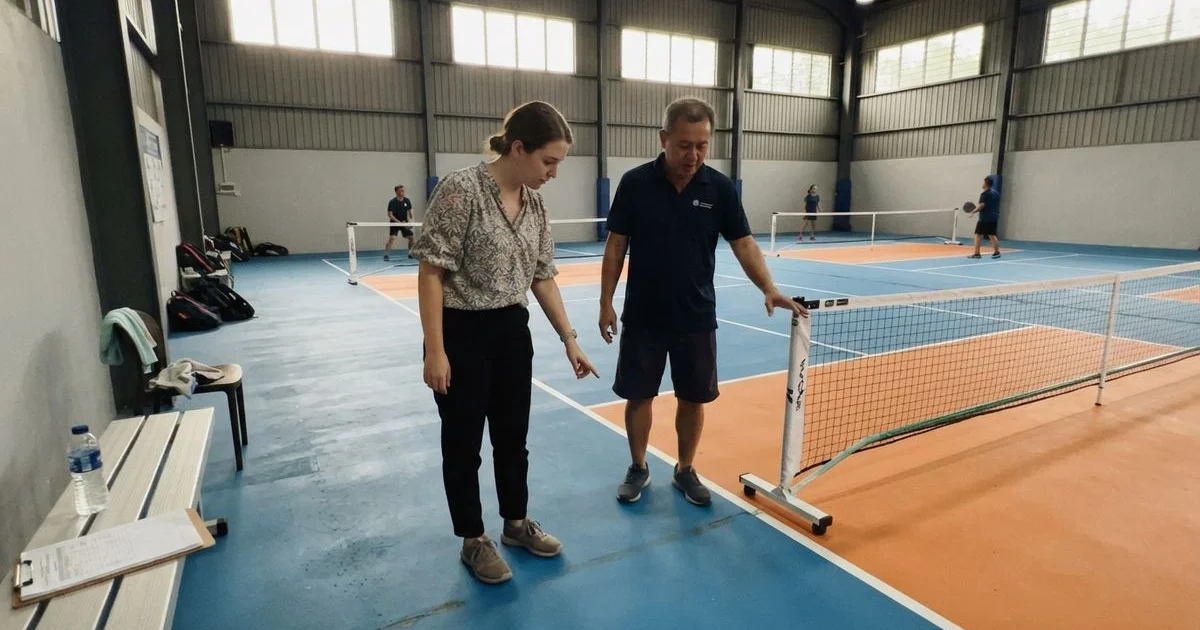
Most indoor pickleball courts in Kuala Lumpur are genuinely well kept, but a handful of recurring issues show up often enough in player feedback that they are worth checking before you book, especially at a venue you have not tried before.
The four issues that come up most
Ceiling height. Some indoor venues, particularly those converted from badminton or other sports halls, have noticeably lower ceilings than a purpose-built pickleball court. This mostly affects lobs and overhead shots rather than everyday rallies, but competitive players notice it quickly.
Ventilation and heat. Air-conditioning quality varies more between indoor venues than you might expect. A court advertised as air-conditioned can still run warm during peak evening hours if the system is undersized for the space or the crowd that night.
Court surface. Uneven patches or inconsistent bounce come up in player feedback at some venues, more often at courts converted from another sport’s flooring than at ones built specifically for pickleball. An uneven surface is also one of the more overlooked contributors to on-court injuries; the common pickleball injuries guide covers what else raises your risk.
Lighting. Dim or uneven lighting affects how well you can track the ball, especially during fast exchanges near the net. It is one of the easier issues to spot from photos or a quick visit before you commit to a regular booking.
| Issue | What to check before booking |
|---|---|
| Ceiling height | Recent reviews mentioning lobs or overhead shots |
| Ventilation | Mentions of heat or stuffiness during peak hours |
| Court surface | Comments on bounce consistency or converted flooring |
| Lighting | Photos or reviews mentioning dim or uneven lighting |
How to check before you book, not after
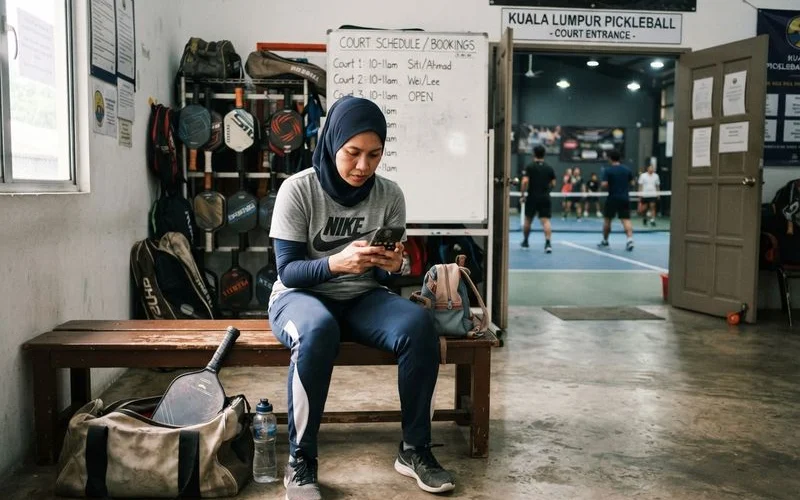
Recent player reviews are the fastest way to catch these issues, since they reflect current conditions rather than how a venue looked when it first opened. Look for a pattern across several recent visits rather than a single comment: one review calling a court “warm” might just be one hot day, but repeated mentions across different reviewers over a few months point to a real, ongoing issue.
When a lower-rated feature is still worth booking around
None of these four issues are automatic dealbreakers on their own. A venue with slightly lower ceilings but excellent lighting, strong ventilation, and well-maintained surfaces can still be a great regular spot, especially if you rarely hit high lobs. Weigh the issue against what actually matters for how you play: a casual doubles player who stays low and quick will notice ceiling height far less than someone who relies on aggressive overheads.
Parking and other practical friction
Beyond the court itself, parking comes up as a common frustration at several venues, particularly ones near restaurants or clinics where paid or shared parking is the only option nearby. It rarely affects the game itself, but it is worth checking if you are booking somewhere new, especially for an evening slot when nearby spots fill up fastest.
What a well-run indoor venue looks like
The other side of this is worth knowing too: the recurring praise across player feedback points to a fairly consistent picture of what a good venue gets right. Clean facilities, ample parking, and courts that are properly maintained show up again and again in positive reviews, often alongside friendly staff who are quick to help newcomers settle in. If a venue is scoring well on those points, the odds are decent that it also handles the less visible things, like surface upkeep and net height, with the same care.
A quick pre-booking gut check
Before confirming a new indoor venue, scan the last two or three months of reviews for any of the four issues above, check whether parking is straightforward, and confirm the court type matches what you actually want to play on. This takes a few minutes and catches the vast majority of avoidable surprises.
If you already have a regular venue and it consistently avoids these issues, that is worth more than chasing a slightly cheaper rate elsewhere. Browse the full set of pickleball courts in the city if you are weighing alternatives, and see how listings are scored on the methodology page if you want to understand what the ranking reflects.
FAQ
- Why does ceiling height matter for indoor pickleball?
- Low ceilings cut off high lobs and overhead smashes, and some converted halls are noticeably tighter overhead than a purpose-built court. It changes how the game plays, not just comfort.
- How can I tell if ventilation will be a problem before I book?
- Recent reviews are the fastest signal. Repeated mentions of heat or stuffiness during peak hours point to a ventilation issue that a single visit at an off-peak time might not reveal.
- Are uneven court surfaces common in Kuala Lumpur?
- It comes up often enough in player feedback to be worth checking, particularly at venues converted from other sports halls. A quick look at recent reviews usually flags it if it is a real issue at a specific venue.
- Should I avoid a court entirely if I spot one complaint about it?
- Not necessarily. Look for a pattern of the same complaint across multiple recent reviews rather than a single comment, which could be a one-off.