Getting ready for your first pickleball tournament in Kuala Lumpur
By Sarah · Updated 2026-07-02
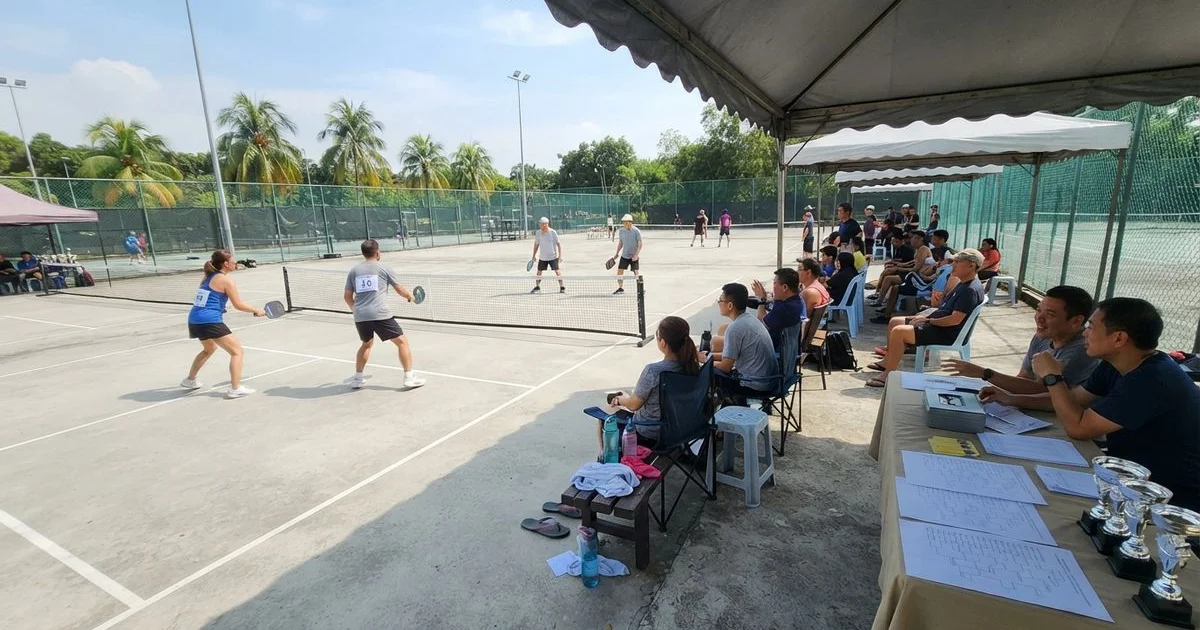
A first tournament feels different from casual open play, mostly because of the waiting, the format, and the small jump in intensity once your name is called. None of it requires special preparation beyond knowing roughly what the day will look like.
What a tournament day actually looks like
Tournaments at tournament venues around Kuala Lumpur typically run on one of two formats: round robin, where you play every team in your group before standings are set, or a bracket, where a loss can eliminate you depending on the event. Some combine both, a round robin group stage followed by a bracket for the top finishers. Check which format an event uses before you enter, since it changes how much play you actually get for your entry fee.
Expect more waiting than playing. Between check-in, warm-up windows, and gaps between your matches while other courts finish, a tournament day often runs several hours even if your own total court time is closer to ninety minutes.
| Stage | What happens |
|---|---|
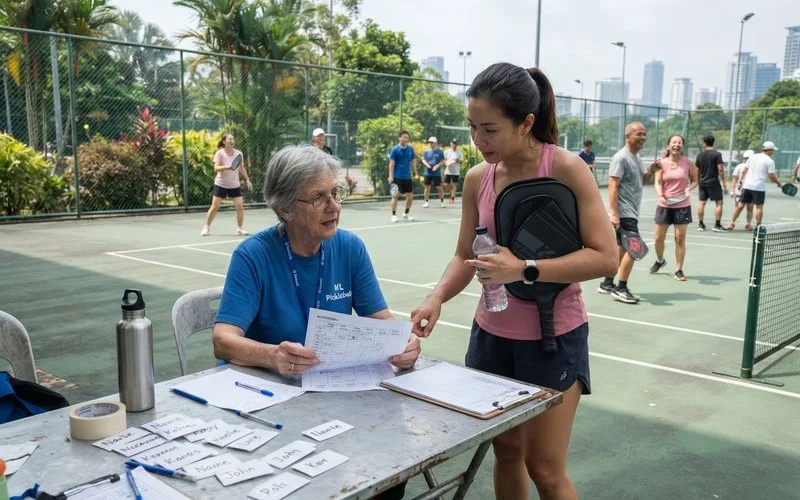
| Check-in | Confirm entry, get your match schedule and court assignment |
| Warm-up | Short window to hit with your partner before your first match |
| Group or bracket play | Matches against your assigned opponents, format depends on the event |
| Results | Standings posted, ties broken by set score or head-to-head if needed |
Choosing the right division
Most tournaments split entries by skill level, so a genuine beginner is not thrown into a division against experienced competitive players. If you have a skill rating from regular play, use it to gauge which division fits; if you do not, most organizers can place you based on how long you have been playing and at what level. Entering a division slightly below your comfort level for your first event is a reasonable way to build confidence before moving up.
What to bring beyond your usual gear
A tournament day runs longer than a normal session, so pack accordingly: a spare shirt for a full day of play, snacks and an electrolyte drink rather than relying on what is available at the venue, and a backup paddle if you own more than one. Bring any entry confirmation, ID, or payment receipt the organizer has asked for, since check-in tends to move faster when this is ready rather than searched for on the spot.
Handling nerves before your first match
Feeling nervous before a first competitive match is normal and almost universal among first-timers. It tends to fade within the first few points once the match actually starts and the wait is over. A short, familiar warm-up routine with your partner helps more than trying to review strategy in the final minutes, since at that point the useful preparation is behind you. Focus on playing your normal game rather than a version you think a tournament requires; the format changes, your game does not need to.
Self-officiated matches and calling your own lines
Amateur tournament matches are usually self-officiated, meaning players call their own lines and faults rather than relying on a referee for every point. This surprises some first-timers, but the etiquette is straightforward: call a ball out only if you are confident, give the benefit of the doubt on close calls, and settle disagreements calmly rather than letting one contested point derail the match. Most disputes at this level come down to a shot too close to call either way, and the accepted norm is to replay the point rather than argue it.
After your first tournament
Win or lose, most first-time competitors come away with a clearer sense of where their game actually stands compared to casual play, which is often more useful than the result itself. Note what worked and what did not while it is fresh, and use it to decide whether to enter the same division again or move up next time. If tournament day leaves you wanting a steadier weekly routine afterward, the guide on finding your regular pickleball court is a good next stop, especially if you are still new to the city’s court scene.
If you are still deciding whether tournament play is for you, watching a few matches at a local venue before entering is a low-pressure way to see the pace and format in person. Browse tournament and other pickleball venues across the city, and check the scoring method for how they are ranked here.
FAQ
- Do I need a high skill rating to enter my first tournament?
- No. Most tournament venues run divisions across skill levels, so a beginner or intermediate division exists specifically for players newer to competitive play.
- How long does a typical tournament day last?
- It varies by format and number of entries, but expect several hours, sometimes a full day, once you account for waiting between matches and possible rain delays outdoors.
- What should I bring on tournament day that I would not bring to a normal session?
- A backup paddle if you own one, extra shirts, snacks and electrolytes for a longer day, and any entry confirmation or ID the organizers ask for at check-in.
- Is it normal to feel nervous before a first tournament match?
- Very. Most first-timers describe pre-match nerves that fade within the first few points once they are actually playing.